🐊 1. Alligator Cracks (Fatigue Cracking)
Appearance:
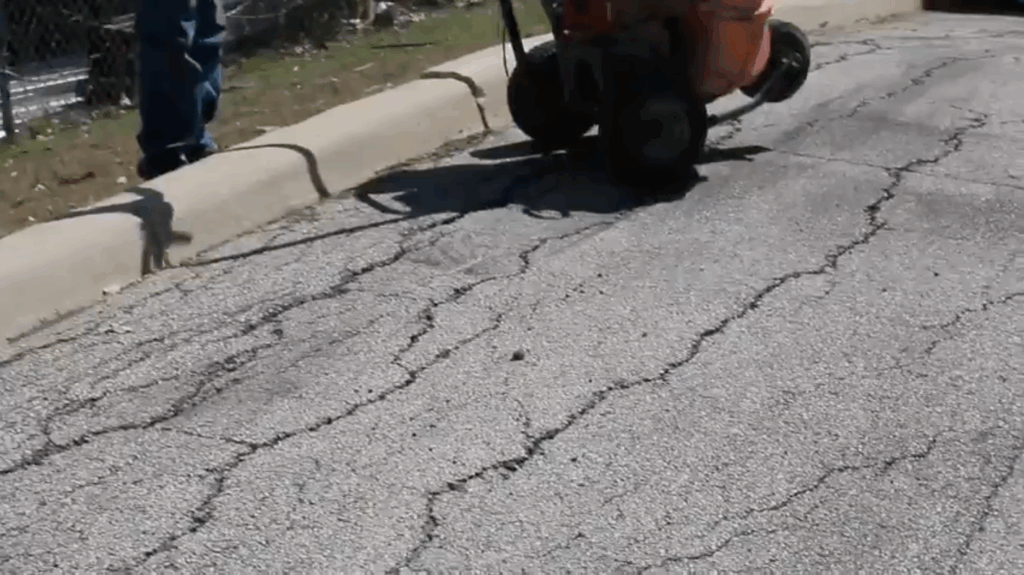
A series of interconnected cracks that resemble the scales on an alligator’s back. These typically form in patterns and cover large patches.
Causes:
- Weak or failed subbase (due to poor construction or long-term water damage)
- Repeated traffic loading, especially from heavy vehicles
- Lack of structural support beneath the surface
Implications:
This type of cracking indicates serious structural failure. If left untreated, it leads to potholes and deep surface deterioration.
Straight Line Striping Repair:
Patching is often necessary. In severe cases, full-depth removal and replacement of the affected area—including the base—are required. The best repair is NOT to seal these cracks. The structural base is compromised.
We Cut and remove the damaged area down to the base.
Then we Rebuild the base with new aggregate (typically compacted limestone or crushed concrete).
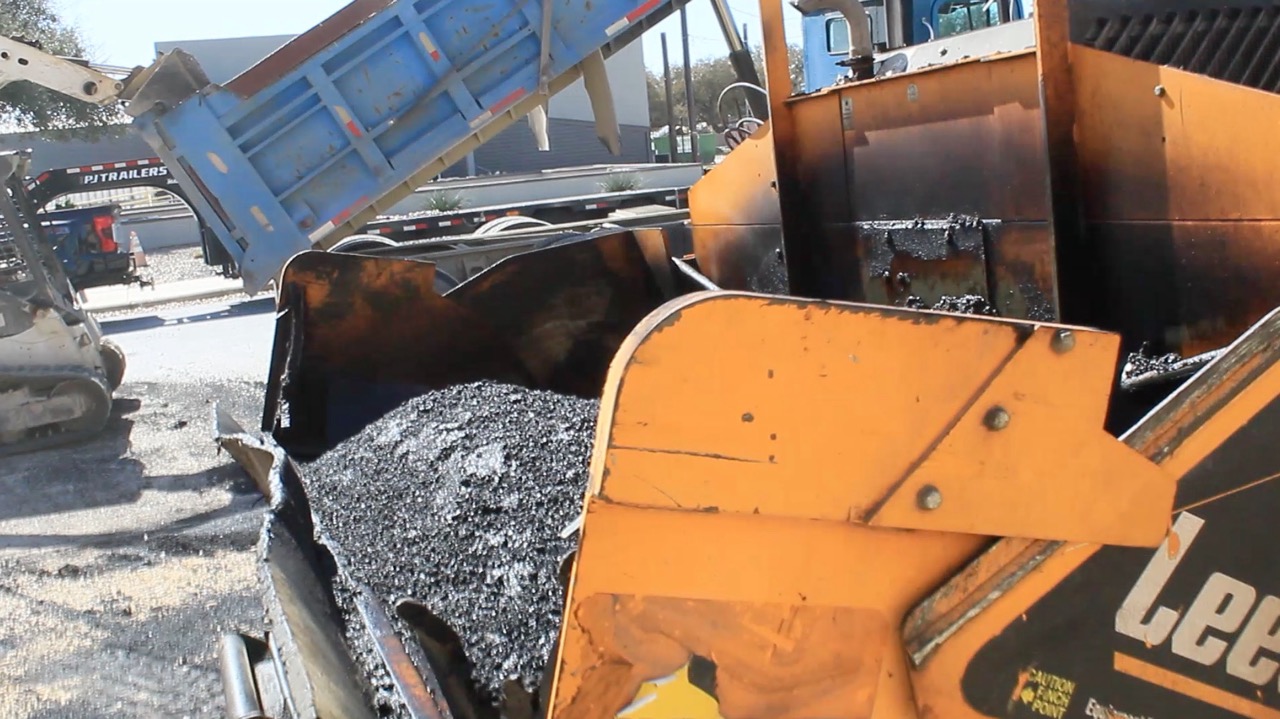
Patch with hot mix asphalt (HMA) and compact to level.
Quick Steps:
- Mark damaged area.
- Saw-cut perimeter.
- Excavate and compact base.
- Apply tack coat on edges.
- Place and compact hot mix asphalt.
- Seal edges for water protection.
Timing:
Repair as soon as possible to prevent water infiltration — if left, it spreads rapidly.
➖ 2. Linear Cracks (Longitudinal Cracks)
Appearance:
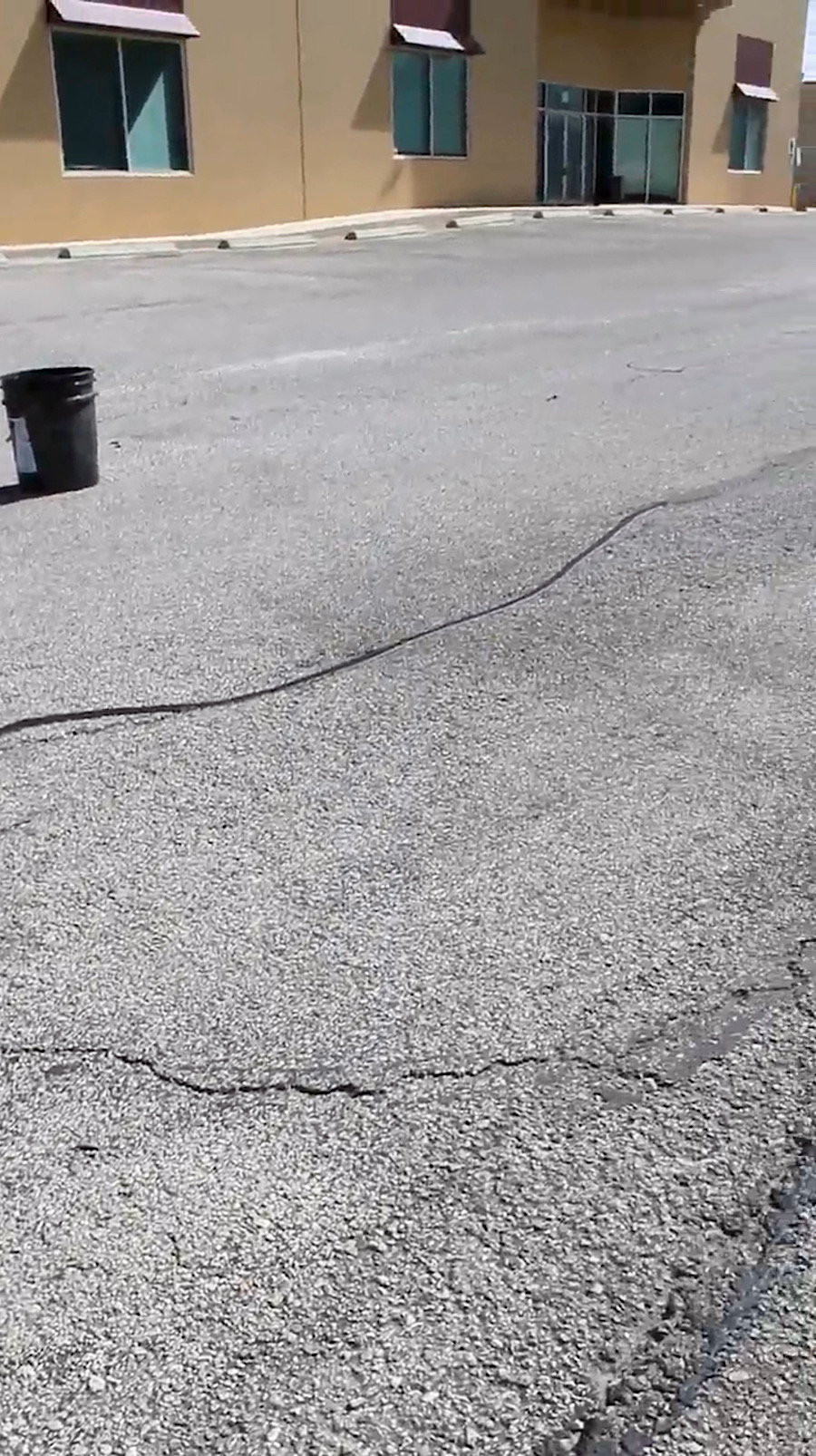
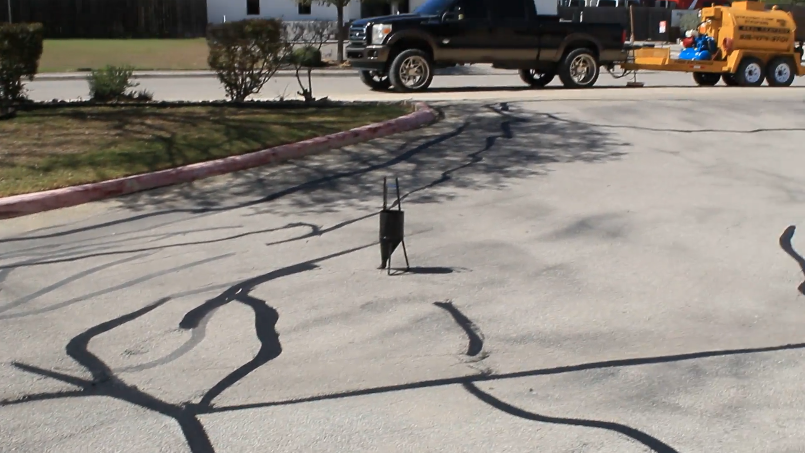
Straight or slightly wavy cracks that run parallel to the pavement’s centerline.
Causes:
- Poor joint construction or separation
- Shrinkage of the asphalt due to temperature changes
- Reflective cracking from underlying base movement
Implications:
Water can infiltrate these cracks and accelerate deterioration if not sealed. Early detection is key.
Straight Line Striping Repair:
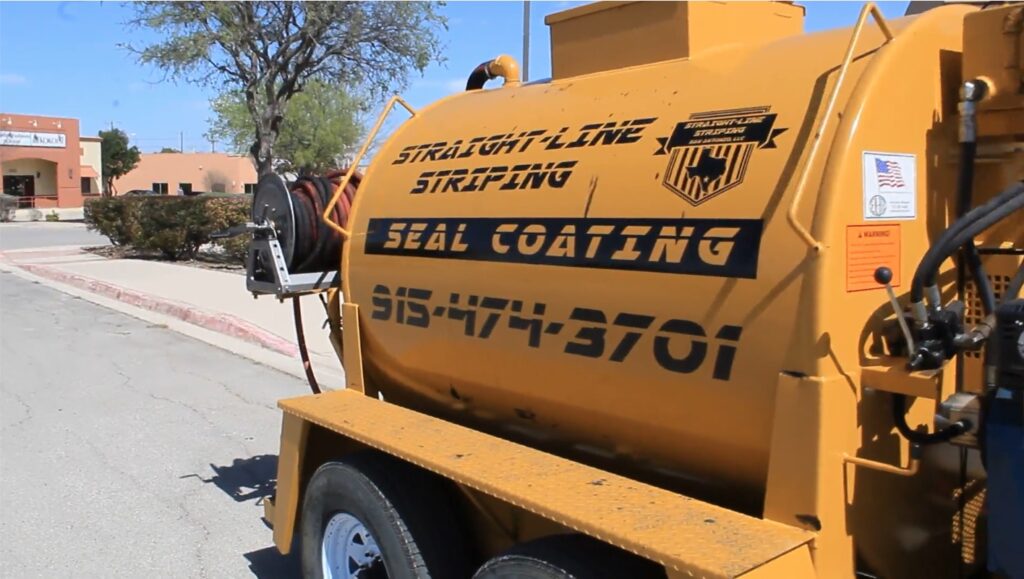
Crack sealing or filling is usually effective if done early. Our Professional Repair:
- Clean and seal with hot pour crack sealant (a rubberized asphalt material).
- Use a routing machine first for wider cracks (>¼”) to create uniform depth and width.
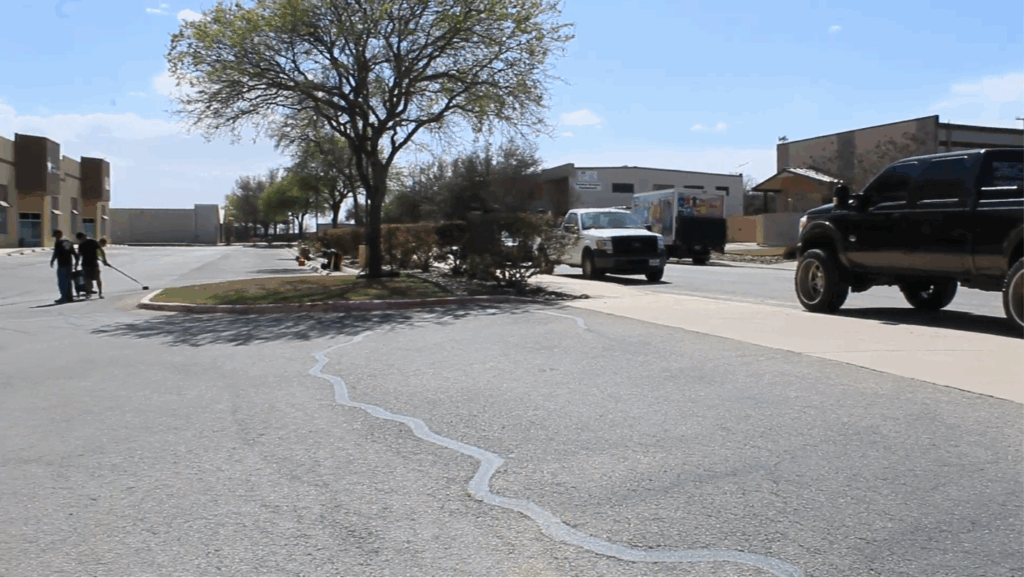
- Apply sealant using a wand or squeegee band finish.
Quick Steps by Straight Line Striping:
- Clean crack (wire brush & blower).
- Route if necessary.
- Heat material in the sealing kettle (350–375°F).
- Apply sealant ⅛”–¼” above the crack.
- Squeegee smooth for even coverage.
Timing:
Best done in dry, moderate temperatures (50–80°F) for best adhesion. Seal annually for maintenance.
🌿 3. Edge Cracks
Appearance:
Cracks that run along the outer edges of the pavement, typically within 1 to 2 feet of the edge.
Causes:
- Weak or eroding shoulders
- Poor drainage or vegetation growth
- Traffic stress from vehicles running off the edge
Implications:
Edge cracks weaken pavement boundaries and often expand inward if ignored. They also allow water intrusion along the base.
Straight Line Striping Repair:
Remove vegetation, improve drainage, seal the cracks, and reinforce the shoulder if needed. Professional Repair:
- Remove vegetation and debris from edges.
- Seal small cracks with hot-pour sealant.
- For wider damage, cut, patch, and rebuild the edge with proper base material.
- Improve drainage and support along shoulders (install topsoil, curbs, or compacted gravel).
Quick Straight Line Striping Steps:
- Clean and blow debris from edge.
- Remove weeds/grass roots.
- Fill small cracks with sealant.
- Rebuild shoulder support if undermined.
- Compact and finish edge with proper taper.
Timing: Note
Address early — once edge cracks allow water in, they rapidly cause base erosion leading to a lot of damage.
⬍ 4. Transverse Cracks
Appearance:
Cracks that run perpendicular to the centerline of the pavement.
Causes:
- Thermal expansion and contraction
- Poor asphalt mix or inadequate temperature control during paving
- Base movement due to frost or shifting soils
Implications:
These cracks can widen and lead to surface heaving if water enters and freezes.
Straight Line Striping Repair:
Crack sealing is typically sufficient if addressed promptly. Professional Repair:
- For minor cracks: we clean and fill with hot-pour sealant.
- For advanced cracking: we apply sealcoat or mill and overlay the area to restore flexibility.
- Consider adding rejuvenators or polymer-modified sealers to extend life in this process.
Quick Straight Line Striping Steps:
- We Clean all cracks thoroughly.
- Fill with rubberized sealant.
- Apply full-area sealcoat to protect from oxidation.
- Re-stripe as needed.
Timing Note:
Perform before winter or freeze-thaw cycles begin — cold weather widens cracks and worsens fatigue causing Spring and Summer issues.
Proper identification of crack types is the first step to selecting the right repair strategy—helping extend pavement life and avoid expensive reconstruction.